Introduction
Web development is the process of creating websites and web applications that run on browsers. It involves designing, coding, and maintaining websites to ensure they function smoothly and provide a great user experience.
Web development is broadly classified into three main categories:
- Front-End Development – The visual and interactive parts of a website that users see and interact with.
- Back-End Development – The server-side logic, database management, and infrastructure that power the website.
- Full-Stack Development – A combination of both front-end and back-end development.
Importance of Web Development
With businesses and individuals relying heavily on digital presence, web development plays a crucial role in various industries. A well-developed website helps in:
- Establishing an online presence
- Enhancing brand visibility
- Providing a seamless user experience
- Enabling businesses to reach a global audience
- Supporting e-commerce and digital marketing efforts
Components of Web Development
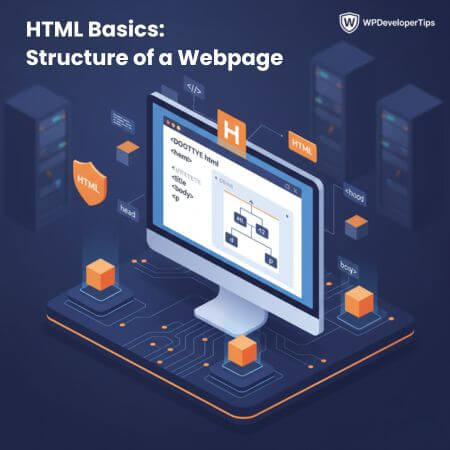
- HTML (HyperText Markup Language) – The backbone of a webpage, defining its structure and content.
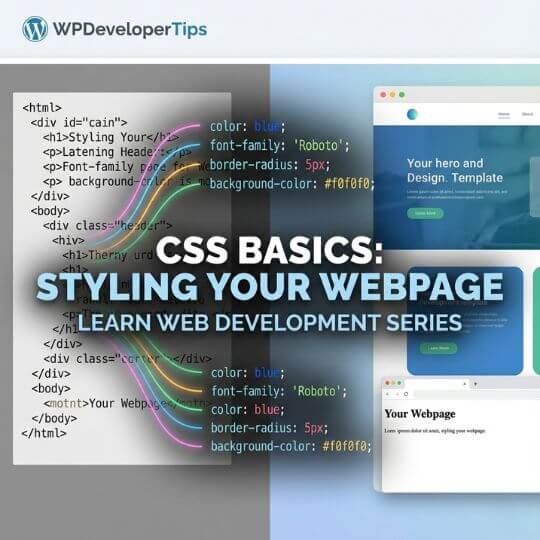
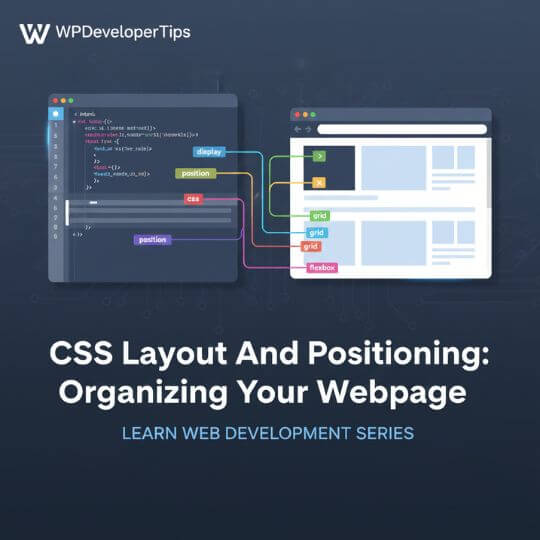
- CSS (Cascading Style Sheets) – Styles and layouts for making a website visually appealing.
- JavaScript – Adds interactivity and dynamic content.
- Backend Languages (PHP, Python, Node.js, etc.) – Handle data processing, business logic, and database interactions.
- Databases (MySQL, MongoDB, etc.) – Store and manage website data.
- Hosting & Deployment – Publishing a website on a server to make it accessible online.
Tools and Technologies in Web Development
- Text Editors & IDEs: VS Code, Sublime Text, Atom
- Version Control: Git, GitHub
- Frameworks & Libraries: Bootstrap, React, Angular, Laravel
- Testing & Debugging: Chrome DevTools, Postman
- Hosting Services: cPanel, AWS, DigitalOcean
Conclusion
Web development is an exciting and continuously evolving field that offers vast opportunities for beginners and professionals alike. In this tutorial series, we will guide you through the fundamentals of web development, starting with HTML, CSS, and JavaScript, and moving towards PHP, MySQL, and WordPress.
Stay tuned for the next article: “Web Development Tools & Setup”!